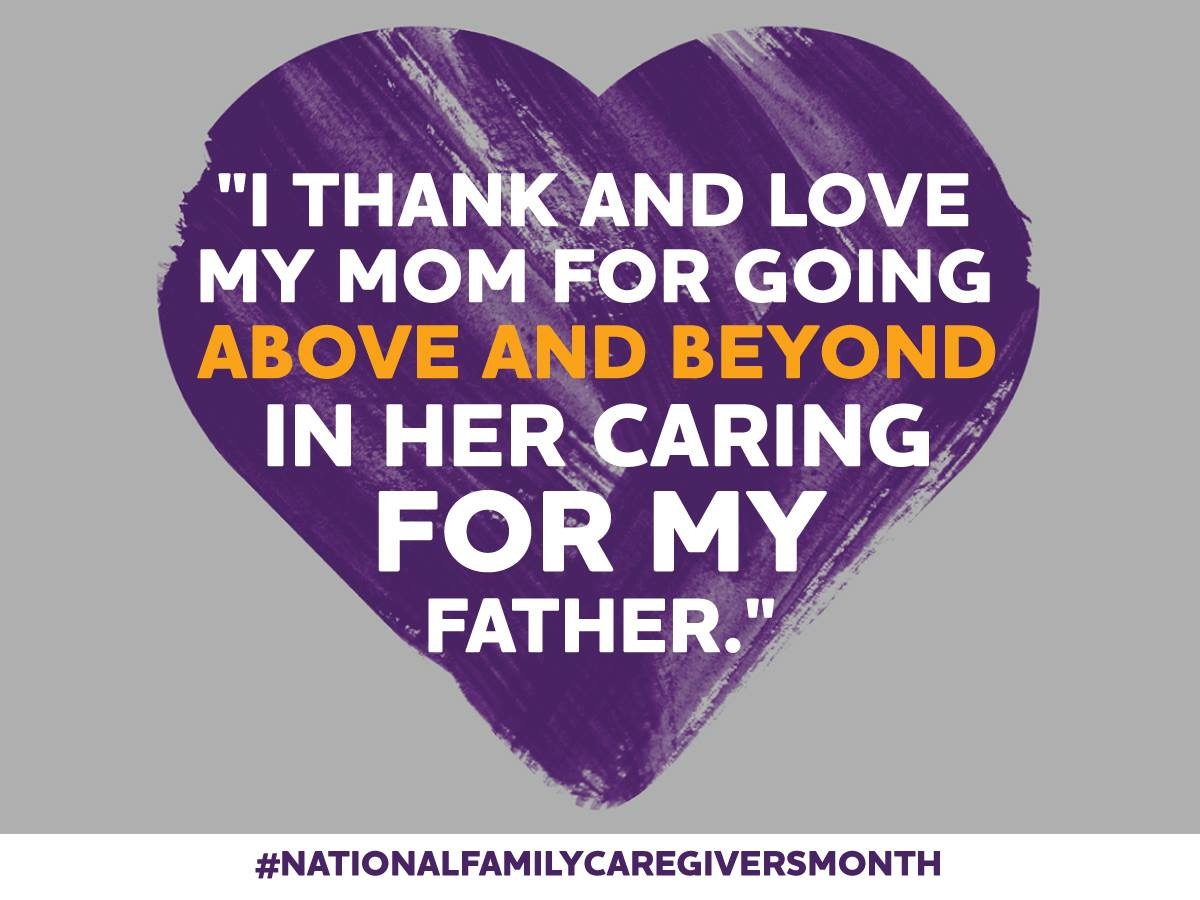
Thursday, November 15, 2018

Aging in Grace-2


Aging in Grace

The average American woman
 will spend more time caring
 for older adults in her family 
than she spent raising her children.

Whoa!   That is a lot of time, a lot of caring, a lot of work!

As faith filled women, we struggle with our responsibilities for our elders and adults who need care and our responsibilities to our children, our congregations and to our selves.

Here are some scenarios:

A 58 year old daughter has a sparkly personality and loves parish activities.  However, she is in the sandwich generation with responsibilities for three teens, an 80 year old dad and a 99 year old grandma.  

An 80 year old man is the primary caregiver for his 84 year old wife who has Alzheimer's Disease. The family brings them  to church faithfully and helps him almost daily. But, he worries in the long nights when she is awake and wandering through the house.  
This care giving has gone on for five years and could continue for many more.

A faithful 75 year old Grandma is responsible for her adolescent granddaughter who lives with her.  Grandma loves to cook, check homework, and especially enjoys daily prayer time with her granddaughter before school.  But when Grandma is sick, she worries about the child and the responsibilities the child has to undertake to provide care for her.


Ideas:   In this season of gratitude, drop a note to caregivers acknowledging their responsibilities and committing to praying for them regularly.  Ask them what they would like you to pray for this month.  Better yet - make time for a visit to the caregiver and the care receiver.  Both might benefit from a friendly face and a caring heart.

Resources:  Reread the excellent article on Caring for the Caregiver in the October Lutheran Witness and on the SED blog by Vicki Hanson and Sue Bohlman at Bethany Lutheran Church in Waynesboro, VA.   Great information for congregations and individuals.          
                                                    caring-for-caregivers


ELDERCARE LOCATOR:   A public service by the U.S. Administration on Aging  that will connect you to services in your community or in the neighborhood of the older adult you care for. There are many programs that can help older people age at home, but  caregivers often wait too long to learn what is available. Lots of resources 1-800-677-1116              
                                                                  eldercare


24 HOUR ALZHEIMER's HOT LINE:   Experienced call consultants will discuss your situation day or night.  Call when you can't sleep or if you need ideas about how to address your loved one's behavior that is upsetting to you. Remember, there are many kinds of dementia.  This hot line can help you with memory loss regardless of the reason. 
Free. 1-800-272-3900      

FIND AN OMBUDSMAN:  Looking for a nursing home or assisted living?  Have a loved one with a problem in a long term care facility?  Impartial Ombudsmen are available across the country to provide information on long term care and assist with problem resolution.  All discussions are confidential. Free. (Hint: "Ombudsman" is Swedish for Citizen Advocate.)                 
                                                      the consumer voice

Song for Reflection:  If I Can Help Somebody ---- If I Can Help Somebody

Please feel free to share resources that have been helpful to you when you were a caregiver or things that other people did that were useful. Join the conversation.


Blessings, 
Alice Hedt

Andover Hills, Maryland  


Sunday, November 11, 2018

Aging in Grace

Aging in Grace
Today I feel old after struggling with a bad cold and being treated for pneumonia.  Somedays, I don't feel old  - I go to water aerobics, sing in two choirs, visit nursing homes with my Pastor husband, and enjoy my friends.  But my reality is that periodically my body and my mind remind me with new and sometimes surprising aches and pains -  "Alice, you are getting older.  Life is short.  Count your blessings.  Make a difference. Learn to cope.  Stop whining!"

Almost 40 years ago, I started working in the field of aging and when introducing myself, I would blithely say "I am Alice Hedt, and my goal is to improve services for seniors so that when I am old, I will be able to have quality care and quality of life."   Now, I introduce myself and say "I am a 70 year old woman who is trying to figure out my aging and address issues faced by other older adults."

I have been asked to share information on aging and resources available in this blog for Women of the Southeastern District. So periodically, you will see "Aging in Grace" with links to services available and food for thought on aging that may be useful in your own aging process, and in your relationships with aging family members, friends and church family.

Please send me your questions to ahedt@aol.com and I commit to looking for answers.  My expertise is in long term care. This includes finding and getting good care in nursing homes, assisted living, and in-home delivered services. But, I enjoy researching other aging resources;  and we can seek advice and ideas within our own SED network.


Resource:  ALOA    Adult Lutherans Organized for Action is a national organization with a wealth of resources for individuals 50+ and congregations.  I love their videos that stimulate discussion and Bible Study on aging topics.  ALOA also offers affordable travel and retreats. Sign up on line for a free newsletter for you or a loved one. ALOA's mission is to equip persons in the second half of life as disciples of Jesus Christ for their service to family, church, community and the world.

Song for Reflection:   Day by Day      Aging is the ultimate journey for each of us.  We are not alone.
https://www.youtube.com/watch?v=AzrhqjzQCi4


I am thankful for this opportunity to discuss these topics with you. Looking forward to on-line conversations as we age in Grace together.                                                                                                                        

                                                                                      Alice Hedt, Landover Hills Maryland 


We thank Alice for joining the writing staff 
for this blog and appreciate her dedication
 to this topic and welcome her expertise!  


Tuesday, October 23, 2018

Caring for Caregivers


Although the term “caregiver” as we use it now is relatively new, dating to the mid-1970s, caregiving is hardly a new idea. Family members have been caring for the young, the old, the sick and those with disabilities for the entire span of human existence. Yet as modern medicine is helping individuals live longer lives, even with serious impairments and chronic diseases that would have been fatal in the past, unpaid family caregivers are providing care and companionship at surprising rates.  
According to a 2015 study published by the National Alliance for Caregiving, an estimated 43.5 million adults (representing 18.2 percent of the adult U.S. population) had provided some form of unpaid care for a loved one within the past 12 months. These numbers are expected to increase in coming decades as our population ages, especially since a substantial number (34.2 million) of these caregivers reported caring for an adult over age 50. 
These data suggest that in your congregation, right this very moment, nearly one in five adults is a caregiver of some kind, on average providing 21 hours of care (or more) per week. These men and women often find themselves burdened by responsibilities they may not have asked for and may not have been prepared for. Yet even so, the individuals serving in this capacity fulfill their commitments day in and day out, sometimes over many years. The assistance they provide may take the form of bill paying, shopping and housekeeping, companionship, emotional support and personal care. Yet whatever their caregiving looks like they are daily living out God's commands to "honor your father and mother" and "love your neighbor as yourself" as they serve, love and cherish their parents, spouses, children, siblings and others. 
Chances are good, however, that most of the time, the work they do goes completely unnoticed by those around them — including their fellow church members. There are several reasons why this is so. Caregivers are generally focused on the care of others and tend to neglect their own needs. And while they are good at offering help, they often avoid asking for it. Additionally, all too often, our society simply takes the important work of caregiving for granted. 
While caregivers may be reluctant to be recognized, it is only fitting that we should shine a light on them and their dedication — and offer them our help as they face a range of significant challenges. 
What are some of the challenges that caregivers routinely face? 
  • Time. Caregivers feel overwhelmed by their responsibilities and burdened by a lack of time.
  • Stress. They experience the stress of balancing work, family and caregiving and sense that nothing is getting done well because of the overload. 
  • Physical health. Caregivers often put off medical care or disregard healthy activities they enjoyed in the past.
  • Mental health. Forty to 70 percent of caregivers display significant symptoms of depression. 
  • Fear for the future. Caregivers observe daily the distressing challenges care receivers face in their lives. They may understandably fear the future when considering further deterioration of their loved one’s health and abilities.  
  • Relationships. Time spent caregiving takes time away from the support and companionship they may receive from spouses, children, friends, social interests, church activities and spiritual pursuits. This creates isolation and loneliness.
  • Identity. Caregivers may experience a loss of identity as they put aside travel, fitness, friendships and other interests and hobbies they once pursued. 
  • Finances. There is often a financial downside to caregiving. The majority of caregivers adjust their work schedules to accommodate their caregiving schedule. They may reduce work hours, take a leave of absence or even quit work altogether. In addition, while the caregiving is unpaid, there are still out-of-pocket expenses involved in caregiving. 
  • Commitment. Caregiving may continue for a significant amount of time. The average length of time for caregiving is 5.5 years. 
What does this mean for congregations? Just as we try to anticipate the needs of other groups of people in the congregation, such as teens, young parents or seniors, it is important for us to consider the needs and concerns of caregivers, too. 
Here are several ways in which your congregation can uplift and sustain the caregivers in your midst:
  1. Identify and acknowledge the caregivers in your congregation. Although they may be reluctant to be individually named, pray for them as a group.
  2. Look for and support any “formal” programs, including congregational wellness initiatives and support groups, that may be in place to provide encouragement to caregivers. If such programs don’t exist within your church or at other LCMS congregations nearby, consider starting one yourself. (Ask your circuit or district offices to recommend resources or organizations that can help.)  
  3. Consider informal methods of reaching caregivers, such as an email support group or a private Facebook group for encouragement.
  4. Be flexible and accommodating. In order to attend services or meetings, caregivers may need to bring along their care receivers. This means that special needs individuals or adults with dementia may accompany them. Offer these children of God a warm welcome.
    What can you as an individual do to help?
  1. Pray for the caregivers in the congregation as well as for the care receivers.
  2. Provide an ear to listen and the comfort of your presence. Regularly phone or visit.
  3. Brainstorm ways to make the life of the caregiver and care receiver easier. Provide a meal or a dessert. Offer to provide respite care for an hour or two. If the caregiver has children, offer to take them for an afternoon or even an overnight visit.
  4. Look for home maintenance projects you could help with. Purchase and hang a holiday wreath or plant some annuals. 
  5. Send an encouraging greeting card. Add a Bible verse.
  6. Remember that caregiving is long term. The need for help doesn’t diminish after a month or two. 
Consider the individuals around you who are caregivers. There will likely be more than you realized. What can you do today to help support them?
So then, as we have opportunity, let us do good to everyone, and especially to those who are of the household of faith. (Galatians 6:10)

 Vicki Hanson and Sue Bohlmann are members at 
Bethany Lutheran Church in Waynesboro, Va. 
Both have extensive experience listening to
 and working with caregivers.

If you would like to Read More in The Lutheran Witness-
lutheran-witness
You can Subscribe right here:
lutheran-witness

“This article originally appeared in the October 2018 edition
 of The Lutheran Witness magazine 
and is reprinted here with permission.” 
A special thank you to Rachel Bomberger- Managing Editor
 for her help in securing this reprint.

Photos in this post are original- Connie Denninger


Wednesday, October 10, 2018

A Visual Faith Gathering- Resurrection, Cary, NC

A beautiful day for the gathering 
for a Visual Faith event
 at Resurrection Lutheran Church
 in Cary, North Carolina
on Saturday, October, 6, 2018.
Show and Tell and the Stories
 Calligrapher Dara shared 
basic lettering hints and tips
 Educators and friends joined for the day.
Hope Grows Here-
Encouragement for our 
Spiritual Formation Journey. 
RLC member and Visual Faith Coach -
 James Thieme was the organizer for the event.
Great job and thank you!
The Visual Faith Coach Team-
 Left to Right- Connie Denninger, Jamee Thieme, 
Belinda Bost, and Karen Field
Kneeling- Megan Daub
What a blessing to all be together 
for sharing and encouragement.
Visual Faith Practices 
and Faith Milestone Projects

Smash Journals, Mixed Media Projects, 
Bible Journaling 
Visual Prayer Cards
Portals of Prayer Scripture Doodles
The Visual Church Year Project
Lectionary B for 2018
Gratitude-Counting Gifts Journals
 and Prayers by the Month
The Visual Church Year Project 
that serves as- Worship into the Week.
 Done by Visual Faith Coach- Jamee Thieme
Family Faith Statements
Lent and Easter Words
Walking With the Lord Accordion Books
Visual Prayers
One-Page Psalm Summaries
Advent and Lent Calendars
Prayers for My Children
Living Life as Prayer
A Thanksgiving Garland, Church Year Binder 
and Visual Faith Coach Belinda Bost 
demonstrated using Watercolor Pencils.
Time to Pray, Visit, Share, 
Listen and Bless.
What a wonderful gathering-
 in Community. 
  There were many faith backgrounds from 
Virginia to North Carolina 
learning together-that Hope Grows Here.
God is great and faithful.

What to learn more about Visual Faith Ministry?
visualfaithmin.org

Join our Facebook groups:

visualfaithministry

Visual Faith Community- North Carolina

Follow us on Instagram-
visualfaithministry

Follow us on Pinterest-
pinterest